


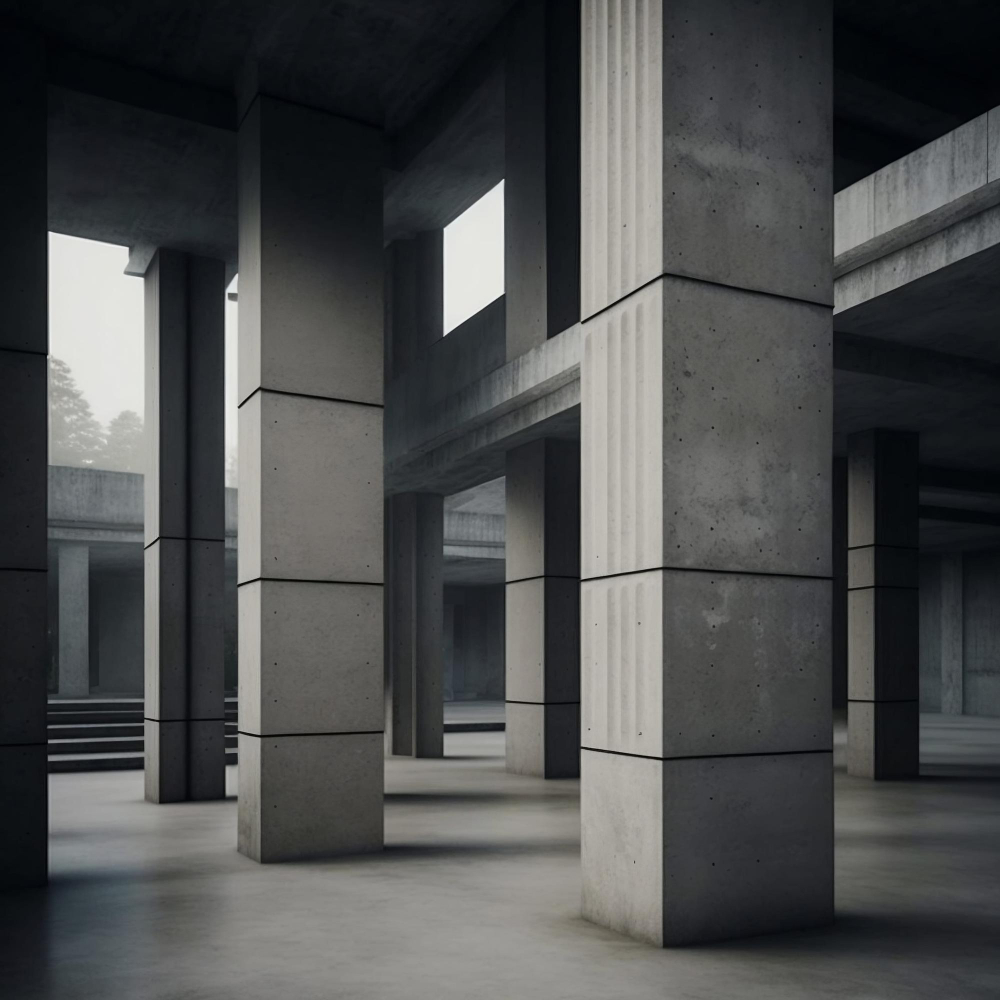
In the rapidly evolving construction world, the demand for durable, efficient, and sustainable building materials is higher than ever. Performance Precast has emerged as a pivotal solution, addressing modern infrastructure challenges with unparalleled versatility and strength. As urbanization accelerates and the need for resilient structures grows, precast concrete stands out as a material that meets these demands while offering numerous benefits over traditional construction methods.
Understanding Precast Concrete
Precast concrete is a construction material produced by casting concrete in a reusable mold or “form,” then cured in a controlled environment. Once the concrete has set and hardened, it is transported to the construction site for installation. This method contrasts with traditional cast-in-place concrete, which is poured and cured on-site.
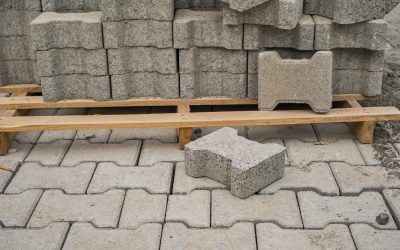
The controlled production environment allows for precise mixing, casting, and curing, resulting in a product that consistently meets high quality and durability standards. Precast concrete components range from small items like tiles and blocks to significant elements like beams, columns, and building panels.
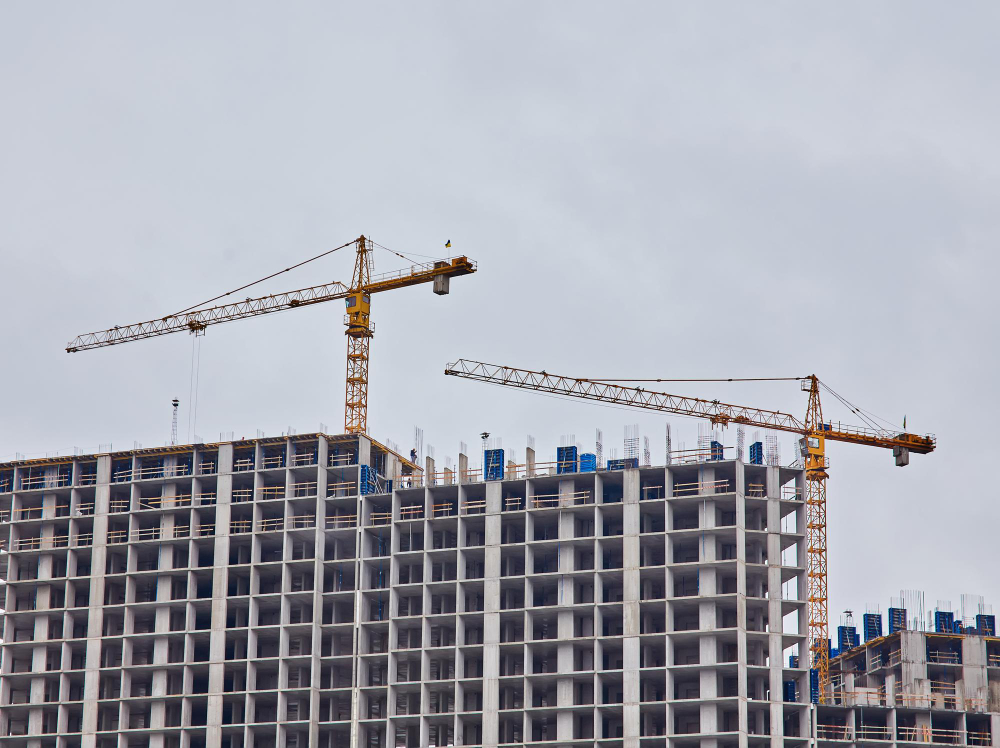
Advantages of Precast Concrete in Modern Infrastructure
Durability and Longevity
One of the most significant advantages of precast concrete is its durability. Performance Precast designs its structures to withstand harsh environmental conditions, including extreme weather, chemical exposure, and heavy loads. This makes precast concrete ideal for infrastructure projects such as bridges, tunnels, and high-rise buildings, where long-term performance is critical.
Speed of Construction
The use of precast concrete can significantly reduce construction time. Since the elements are manufactured off-site and can be installed as soon as they arrive, the on-site construction process is streamlined. This efficiency is particularly beneficial for large-scale projects with tight deadlines. The speed of Performance Precast installation also minimizes disruptions, making it a preferred choice for urban environments.
Consistency and Quality Control
Precast concrete production takes place in a controlled environment, allowing for consistent quality control. Each element is manufactured under strict conditions, ensuring the final product meets the specified standards. This level of control is difficult to achieve with traditional cast-in-place concrete, where variables like weather conditions and on-site mixing can affect the quality.
Sustainability and Environmental Benefits
Sustainability is a growing concern in modern construction, and Performance Precast offers several environmental benefits. The controlled production process minimizes waste, and the materials used in precast concrete can often be recycled. Additionally, precast concrete’s thermal mass properties can improve energy efficiency in buildings by reducing heating and cooling needs.
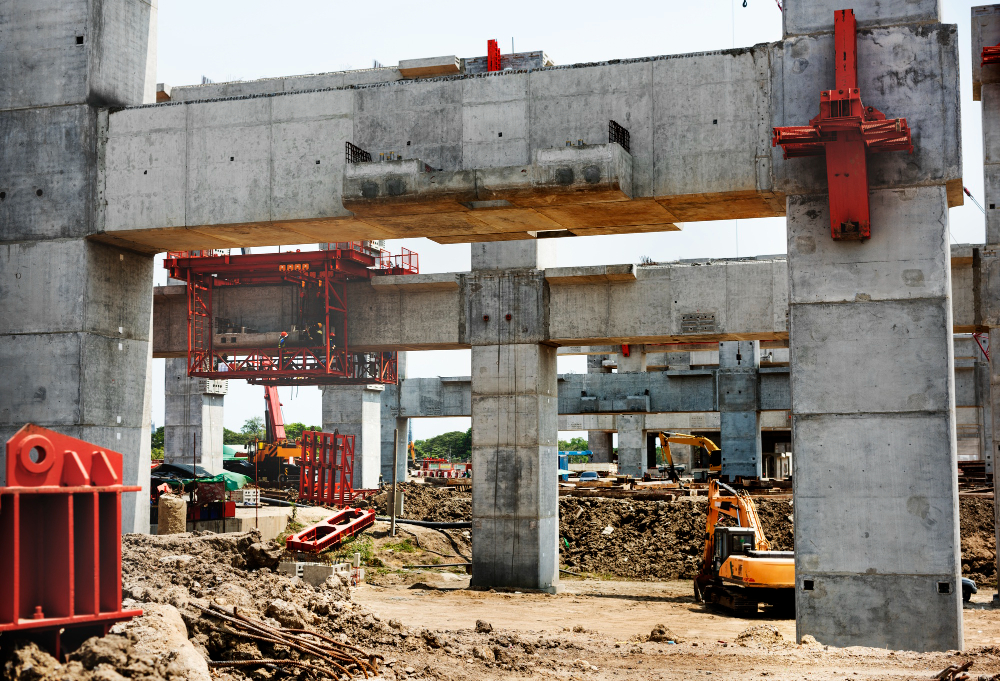
Applications of Precast Concrete in Infrastructure
Precast concrete is used in many infrastructure projects, benefiting from the material’s unique properties. Some critical applications include:
Bridges and Tunnels
The strength and durability of precast concrete make it an excellent choice for bridges and tunnels. Performance Precast components can be designed to handle heavy loads and resist environmental factors such as water, salt, and freeze-thaw cycles. The speed of installation is also a significant advantage, as it reduces the time that roads and waterways are disrupted during construction.
Transportation Infrastructure
Precast concrete is widely used in transportation infrastructure, including highways, railways, and airports. Precast concrete slabs, beams, and barriers are commonly employed due to their ability to withstand heavy traffic loads and harsh conditions. The rapid installation minimizes downtime, ensuring that transportation networks remain operational during construction.
Water and Waste Management
Precast concrete is utilized for pipes, culverts, and treatment facilities in water and waste management systems. The material’s resistance to corrosion and chemical exposure is crucial in these environments. Precast concrete’s ability to create watertight joints and connections ensures the integrity of water management systems, preventing leaks and contamination.
Urban Development and Buildings
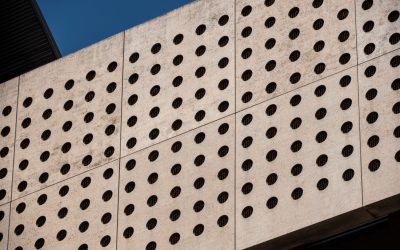
Precast concrete is also a popular choice in urban development and building construction. Precast panels, walls, and floors offer aesthetic flexibility, allowing architects to create unique designs while maintaining structural integrity. The material’s thermal mass properties contribute to energy-efficient buildings, reducing operational costs and environmental impact.
Challenges and Innovations in Precast Concrete
While precast concrete offers numerous benefits, it also has challenges. Transportation of significant precast elements to the construction site can be logistically complex and costly. Additionally, the initial cost of precast concrete can be higher than that of traditional materials, though this is often offset by savings in construction time and long-term durability.
Innovations in precast concrete technology continue to address these challenges. Advances in high-performance concrete (HPC) and ultra-high-performance concrete (UHPC) enhance precast elements’ strength and durability, making them suitable for even more demanding applications. Additionally, improvements in modular construction and digital fabrication are streamlining the design and production processes, further increasing the efficiency of Performance Precast solutions.
The Future of Precast Concrete in Infrastructure
As the demands of modern infrastructure continue to evolve, Performance Precast is poised to play an increasingly important role in construction. Its durability, efficiency, and sustainability combination make it ideal for various applications, from bridges and tunnels to urban developments and water management systems.
By addressing the challenges of today’s construction landscape, precast concrete meets the current needs of infrastructure projects and provides a foundation for future growth. As technology and innovation continue to advance, the possibilities for precast concrete are boundless, ensuring its place as a critical material in developing resilient, sustainable infrastructure.
FAQs
- What makes Performance Precast different from other precast concrete providers?
- Performance Precast stands out due to its commitment to quality, innovation, and sustainability in every project, ensuring the highest standards in the industry.
- How does precast concrete benefit large-scale infrastructure projects?
- Precast concrete accelerates construction timelines, reduces on-site labor, and ensures consistent quality, making it ideal for large-scale projects.
- Can precast concrete be customized for specific architectural designs?
- Yes, precast concrete offers flexibility in design, allowing for customized shapes, finishes, and textures to meet specific architectural requirements.
- Is precast concrete environmentally friendly?
- Yes, the controlled production process reduces waste, and the material’s durability ensures a longer lifespan, contributing to sustainability.
- Why should I choose Performance Precast for my next project?
- Choosing Performance Precast means partnering with a leader in the industry that delivers high-quality, durable, and sustainable precast solutions tailored to your project needs.
Are you ready to elevate your next infrastructure project with precast concrete’s unmatched strength and versatility?
Performance Precast is here to provide you with high-quality precast solutions tailored to meet the specific demands of your project. Whether you’re working on a bridge, tunnel, or urban development, our team of experts is dedicated to delivering innovative and sustainable precast concrete components that stand the test of time. Contact Performance Precast today to discuss your project requirements and discover how our expertise can help you achieve your construction goals efficiently and effectively. Visit our website or call us at [Your Contact Information] to get started!
0 Comments