


In an era where sustainability and environmental responsibility are paramount, the construction industry is continuously evolving to meet the demands of eco-conscious builders. Precast concrete has emerged as a pivotal material in this green revolution. Its numerous benefits, including durability, cost-effectiveness, and minimal environmental impact, make it a top choice for sustainable construction.
This article delves into why precast concrete stands out as a sustainable option and how it aligns with eco-friendly building principles.
The Environmental Benefits of Precast Concrete
Reduced Carbon Footprint
One of the most significant advantages of precast concrete is its ability to reduce the carbon footprint of construction projects. Traditional construction methods often involve extensive on-site activities that generate substantial CO2 emissions. In contrast, precast concrete is manufactured in a controlled factory environment, allowing for efficient production processes and reduced energy consumption.
Waste Minimization
Precast concrete production is characterized by precise material usage, which minimizes waste. The controlled environment of precast plants ensures that every component is made to exact specifications, reducing the need for excess materials. Additionally, any leftover concrete can be recycled and reused, further contributing to waste reduction.
Energy Efficiency
The thermal mass of precast concrete contributes to energy efficiency in buildings. Precast concrete structures can absorb, store, and release heat, helping regulate indoor temperatures and reducing artificial heating and cooling. This characteristic enhances energy efficiency and lowers utility bills for building occupants.

Durability and Longevity
Enhanced Structural Integrity
Precast concrete is renowned for its exceptional durability. The material’s inherent strength ensures that structures built with precast components can withstand harsh weather conditions, natural disasters, and the test of time. This durability translates to fewer repairs and replacements, a critical factor in sustainable building practices.
Resistance to Environmental Factors
The resistance of precast concrete to fire, mold, and pests adds to its longevity and sustainability. Unlike traditional wood or steel structures, precast concrete does not succumb to rot, rust, or infestation, making it a resilient choice for eco-conscious builders seeking long-term performance.
Economic Advantages
Cost-Effective Construction
Precast concrete offers significant economic benefits that align with sustainable building goals. The speed of construction with precast components reduces labor costs and project timelines. The factory-controlled production environment also minimizes errors and rework, further enhancing cost savings.
Lifecycle Cost Savings
Precast concrete structures’ longevity and low maintenance requirements result in lifecycle cost savings. Building owners can expect reduced expenditures on repairs and replacements over the building’s lifespan, making precast concrete a financially sound investment.
Versatility and Design Flexibility
Architectural Creativity
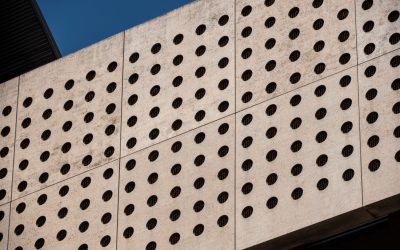
Precast concrete provides architectural flexibility, allowing designers to create aesthetically pleasing and functional structures. The material can be molded into various shapes, sizes, and finishes, realizing complex designs that are both beautiful and sustainable.
Adaptability to Various Applications
Precast concrete is adaptable to various applications, from residential buildings to commercial complexes and infrastructure projects. This versatility makes it ideal for eco-conscious builders looking to implement sustainable practices across different construction projects.

Supporting Green Building Certifications
LEED and Other Certifications
Precast concrete can contribute to green building certifications such as LEED (Leadership in Energy and Environmental Design). Its sustainable attributes, including energy efficiency, waste reduction, and durability, align with the criteria set forth by these certification programs, helping projects achieve higher ratings.
Compliance with Environmental Standards
Manufacturers of precast concrete often adhere to strict environmental standards and regulations. By choosing precast concrete, builders can ensure that their projects comply with these standards, further promoting sustainable construction practices.
Conclusion
In conclusion, precast concrete is a sustainable, durable, and versatile material that offers numerous benefits for eco-conscious builders. Its ability to reduce the carbon footprint, minimize waste, and enhance energy efficiency makes it a top choice for green building projects. Additionally, precast concrete’s economic advantages and design flexibility contribute to its growing popularity in the construction industry. By opting for precast concrete, builders can create structures that are not only environmentally friendly but also resilient and cost-effective.
0 Comments