


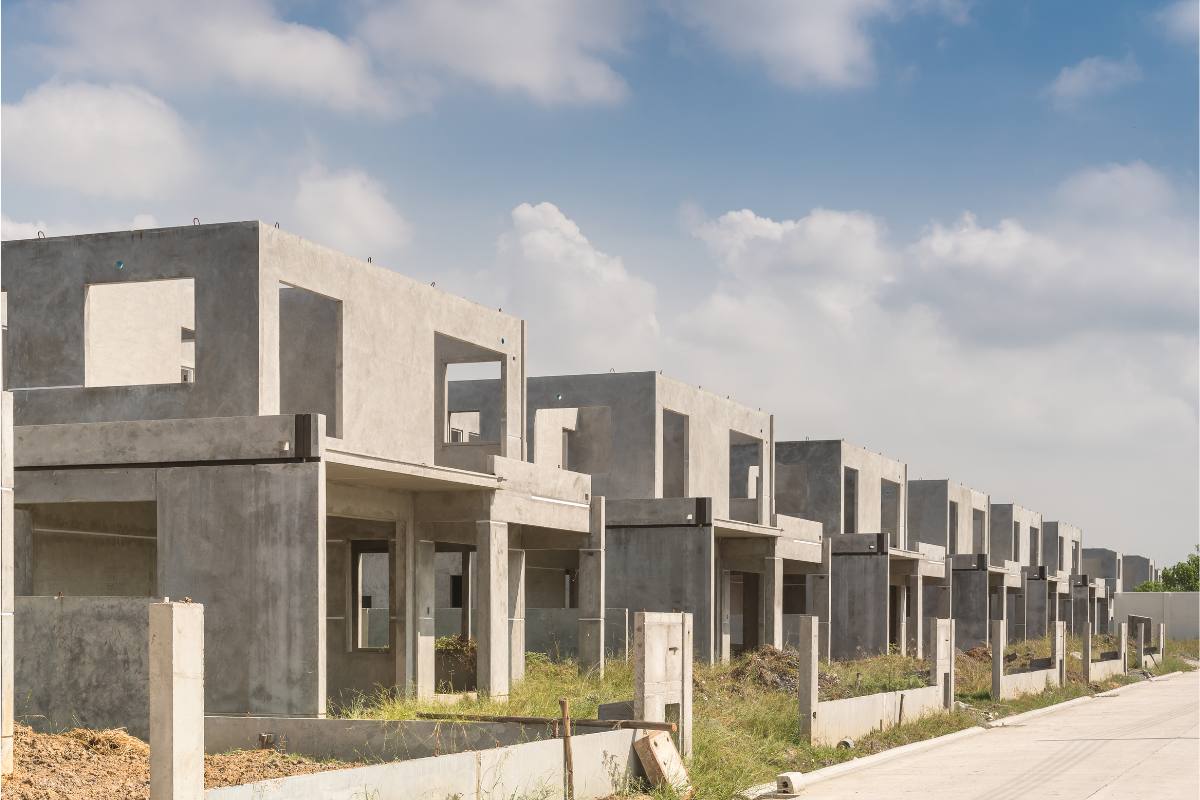
In the construction world, choosing a suitable concrete method is crucial for the success of any project. Precast concrete and site-cast concrete (also known as cast-in-place concrete) are popular methods, each with its own benefits and drawbacks. Understanding the differences between these two approaches can help builders and developers make informed decisions that best suit their project requirements.
This article explores the key differences between precast and site-cast concrete, highlighting their advantages and disadvantages.
What is Precast Concrete?
Precast concrete is produced by casting it in a reusable mold or form and cured in a controlled factory environment. Once the concrete has reached the desired strength, the precast elements are transported to the construction site for installation. This method allows for precise control over the production process, resulting in high-quality, consistent concrete components.

What is Site-Cast Concrete?
On the other hand, site-cast concrete is mixed and poured on-site into specific forms and cured in place. This traditional method allows for greater flexibility in shaping and customizing the concrete elements according to the project’s unique needs. Site-cast concrete is often used for foundations, slabs, and significant structural components.

Comparing Precast and Site-Cast Concrete
Quality Control
Precast Concrete:
- Advantages: The controlled factory environment ensures stringent quality control measures. Every aspect of the production process, from the mix proportions to the curing conditions, is meticulously monitored. This results in consistent quality and uniformity in the final product.
- Disadvantages: Limited on-site adjustments can be made once the precast elements are manufactured.
Site-Cast Concrete:
- Advantages: Allows for on-site adjustments and customizations, providing flexibility to address unforeseen issues or changes in design.
- Disadvantages: Quality control can be more challenging due to variable site conditions, weather, temperature, and human factors.
Construction Speed
Precast Concrete:
- Advantages: Precast elements are manufactured off-site and delivered ready to install, significantly speeding up the construction process. This can be particularly beneficial for projects with tight deadlines.
- Disadvantages: Lead times for manufacturing and transporting precast elements must be considered in the project timeline.
Site-Cast Concrete:
- Advantages: Eliminates the need to transport significant concrete elements, reducing potential delays.
- Disadvantages: On-site curing time can slow construction, especially in adverse weather conditions.
Cost Considerations
Precast Concrete:
- Advantages: Long-term cost savings due to reduced maintenance and higher durability. The speed of construction can also lower labor costs.
- Disadvantages: Higher initial investment due to the costs associated with manufacturing and transporting precast elements.
Site-Cast Concrete:
- Advantages: Lower initial costs as the concrete is mixed and poured on-site, utilizing local resources and labor.
- Disadvantages: Potential for higher long-term costs due to increased maintenance and repair needs.
Durability and Strength
Precast Concrete:
- Advantages: The controlled production environment produces a more durable and stronger product, with superior resistance to environmental factors such as extreme weather, chemicals, and fire.
- Disadvantages: It may require careful handling and transportation to prevent damage before installation.
Site-Cast Concrete:
- Advantages: The strength and durability can be tailored to specific site conditions and requirements.
- Disadvantages: Quality and strength may be compromised by varying site conditions and less controlled curing environments.
Environmental Impact
Precast Concrete:
- Advantages: The factory production process minimizes waste, and excess materials can often be recycled. Additionally, the thermal mass of precast concrete contributes to energy efficiency in buildings.
- Disadvantages: Transportation of precast elements can contribute to carbon emissions.
Site-Cast Concrete:
- Advantages: Reduced transportation needs can lower the carbon footprint.
- Disadvantages: On-site production can generate more waste, and environmental factors can influence curing.
Design Flexibility
Precast Concrete:
- Advantages: Offers precise control over shapes, textures, and finishes, allowing for innovative and aesthetically pleasing designs.
- Disadvantages: Design changes after production can be challenging and costly.
Site-Cast Concrete:
- Advantages: High flexibility in design and the ability to make on-the-fly adjustments.
- Disadvantages: Precast methods may need to be more precise in achieving complex shapes and finishes.
Conclusion
Both precast and site-cast concrete offer unique advantages and potential drawbacks. Precast concrete provides superior quality control, durability, and speed of construction, making it ideal for projects that require consistent, high-quality components. On the other hand, site-cast concrete offers flexibility and adaptability, allowing for on-site customizations and adjustments.
Ultimately, the choice between precast and site-cast concrete depends on the project’s specific needs and constraints. By understanding each method’s key differences and benefits, builders and developers can make informed decisions that optimize their construction processes and outcomes.
Contact Performance Precast today to inquire about our many services. See for yourself how Performance Precast can help take your next construction project to the next level!
0 Comments